
AMATEUR WATCH
BUILDING
blocks
From a teenager finding his way, GolfRSA has moulded another talent into a confident player going places
BY CLINTON VAN DER BERG
Isabella
ferreira
download this article to read later
download now

There are no traffic lights in Kirkwood, a small town on the banks of Sundays River in the Eastern Cape. No driving range, either. Just a nine-hole track where the greens get cut once a week and a kid with a shag bag taught himself the game one imagined shot at a time.
'I could kind of almost play my own golf course,' Malan Potgieter says of those solitary afternoons, 'shape it around trees, hit it under and over.'
No line at the range, no waiting group ahead. Just a boy and a bag of balls, inventing shots nobody had taught him because nobody was around to teach him anything else. It sounds like a limitation, but it became the foundation. That improvisational streak, the ability to shape a shot around a tree because there was simply no other way to play it, is the same instinct now drawing praise from coaches an ocean away.
Potgieter is 23, and the golf world has started paying attention. But the recognition came slowly, earned in stages. He won his first Eastern Province title somewhere between the ages of nine and 12, one small trophy in a childhood packed with rugby, tennis, cricket and squash.
'My first year and a half was big fish in a small pond to a smaller fish in a really big pond. Self-belief is kind of hard to come by once you see how many good players there are in college golf'

SHORT PUTTS
Louisiana Cajun crawfish boil or South African braai? Not a fan of crawfish. A braai, no contest.
In under five words: The best piece of wisdom a coach has given you? Stay humble, stay hungry.
Favourite club? Driver.
Best tournament meal? Smoked salmon.
Biggest pet hate on a golf course? Slow play.
Your dream four-ball? Scottie Scheffler, Louis Oosthuizen, and my dad, Andre.
One song on repeat before a round? Anything by Kings of Leon.
The real jolt arrived at an under-15 national event, when he found himself in the final group alongside the country's best junior players. 'I didn't play great,' he admits, 'but I was like, if I can get to actually play with these guys and I can kind of hang with him, I think maybe I can take this a little bit more seriously.'
He was 14 or 15 before he let himself believe it.
What followed was an education built less on talent than on repetition and philosophy. Potgieter credits his coach (Graeme Whale in Gqeberha) with instilling a process-driven mindset that still shapes how he prepares.
'You do the little things that eventually add up to the big wholes, rather than the other way around,' he says – a lesson so deeply absorbed it now sounds like his own. When he arrived in America in 2022 to play for Louisiana State University, Whale hadn't just taught him swing mechanics. He'd taught him how to think during his time there.
The move to the Ragin' Cajuns was less a grand plan than a leap of faith. Potgieter wasn't heavily recruited, and the decision came down to a single conversation.
'Coach (Theo) Sliman was very kind and welcoming … you could tell, typical Southern hospitality.'
It was enough to convince a family half a world away that their son would be looked after, and enough to keep him in Baton Rouge even when a transfer before his senior year was on the table.
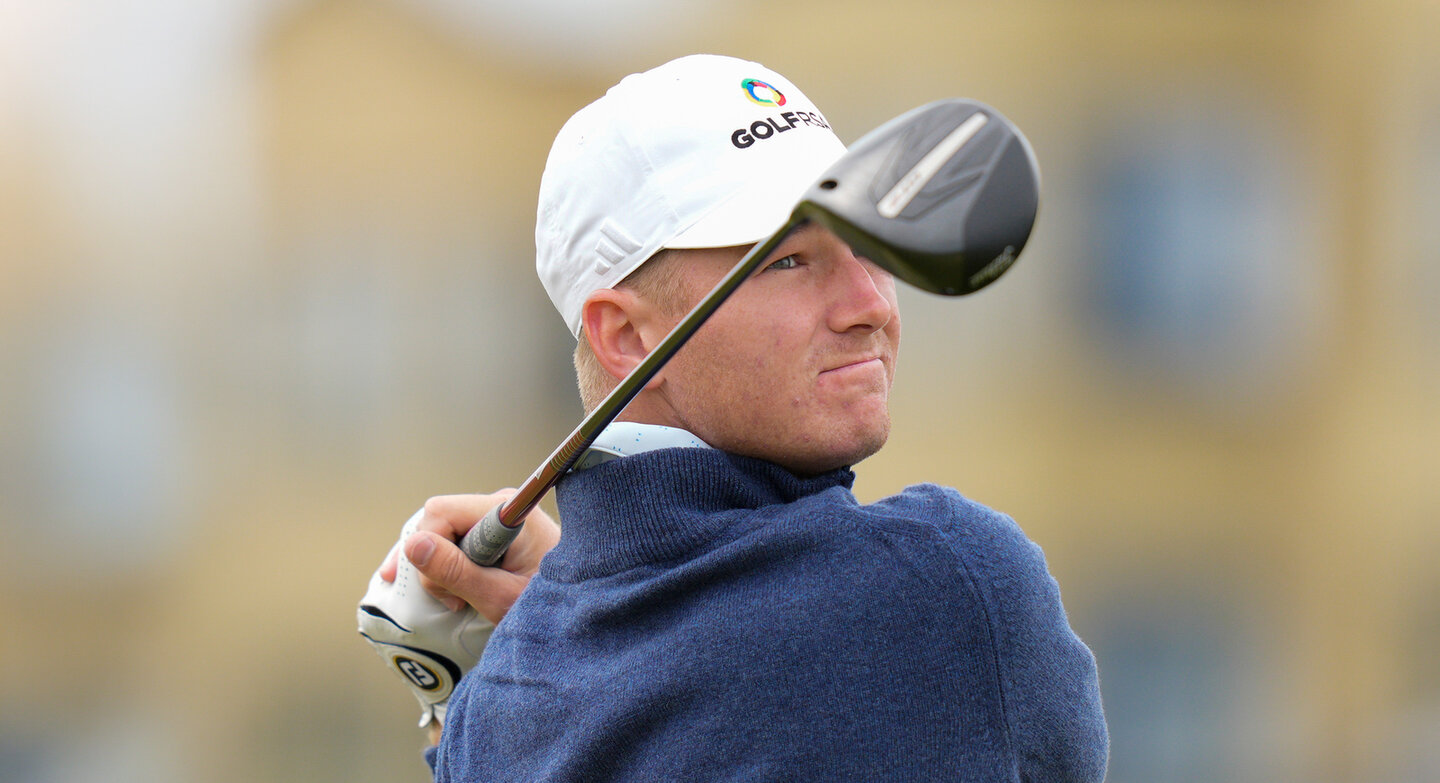
America did not go easy on him. The adjustment, he says, was less about turf or travel than about ego. 'My first year and a half was big fish in a small pond to a smaller fish in a really big pond,' he says. 'Self-belief is kind of hard to come by once you see how many good players there are in college golf.'
It is a blunt admission, the kind rarely offered by athletes still building a reputation, and it says something about how far he has come that he can say it so plainly now.
The turning point was unlikely: the putter. Convinced for years that he was a poor putter, undone by the same patchy greens that once sharpened his imagination, Potgieter made the switch to a broomstick putter after hearing other tour players rave about the change. The results were immediate. 'I almost immediately showed improvement in my short game,' he says.
Over the following year, his putting average dropped by roughly a shot and a half, transforming a perceived weakness into a weapon.
Then came the run in May that made people notice: 93 holes without a bogey, an NCAA record streak that built quietly before swallowing his attention whole.
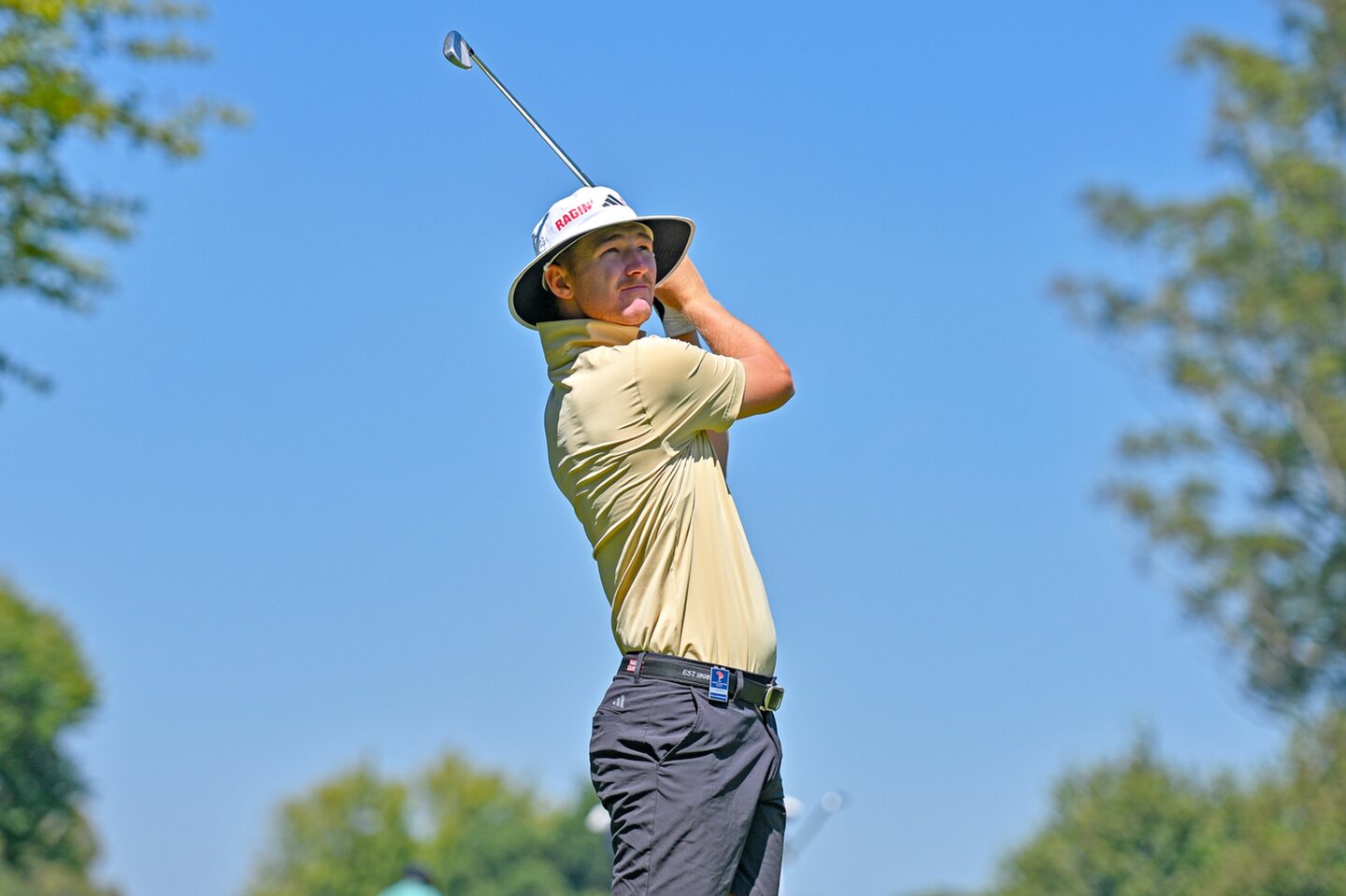
'There's no way to not be aware of it,' he says of the pressure that mounted as the number climbed, describing how a four-foot putt on the final hole suddenly felt like it was carrying the whole streak with it. He made it. He always seems to.
That composure, more than any swing change, may be his defining trait. 'I think pressure is great,' he says. 'If you have better nerves and you're experiencing it enough times, you kind of learn to like it.'
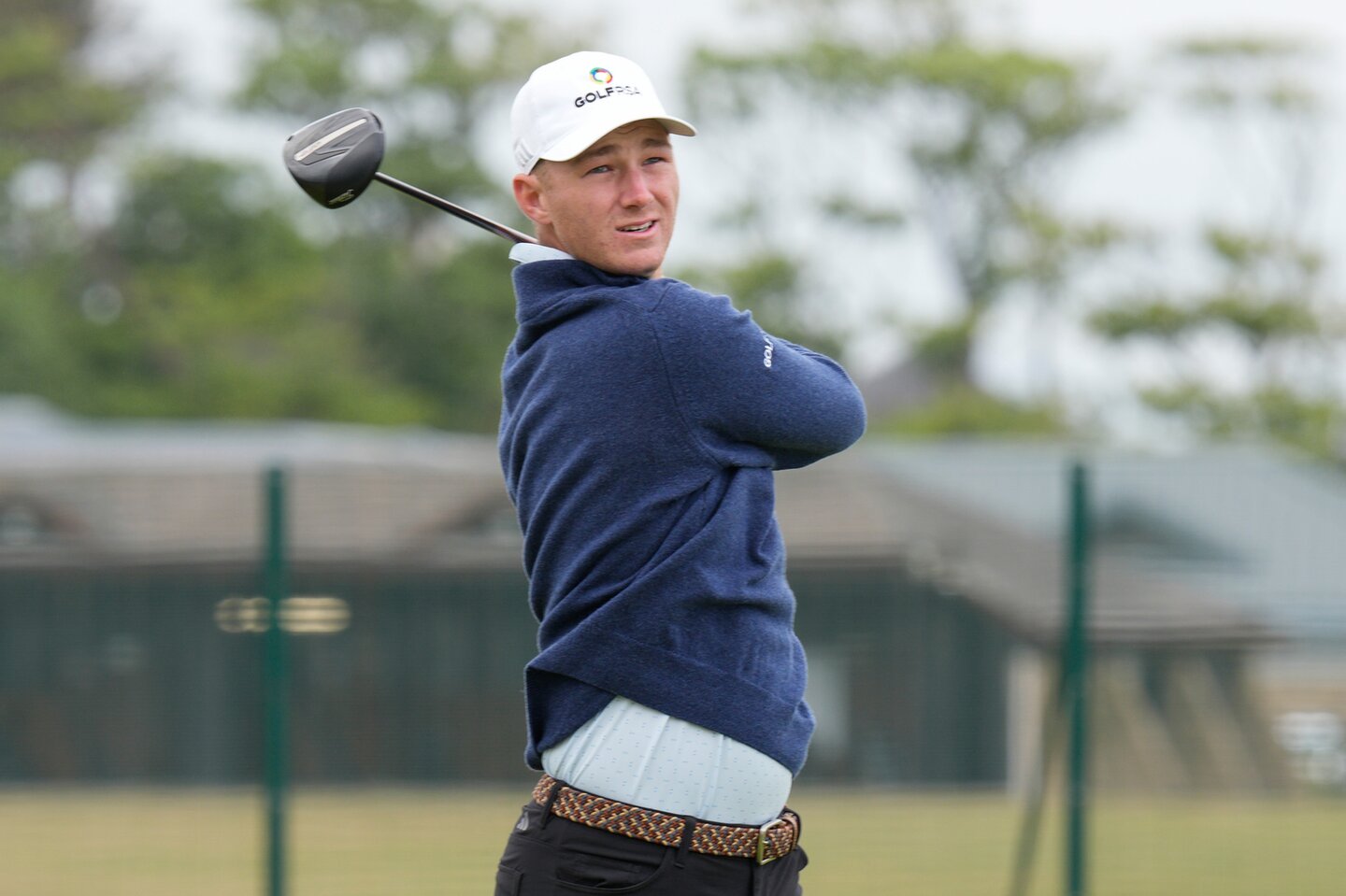
Still new to the GolfRSA programme, and grateful for its guidance and support, he talks about hitting a bad shot the way most players talk about hitting a good one: with total indifference to the outcome. 'Whether I go out today and shoot 63 or 83, it's not going to change my life,' he says. 'I'm still going to have my family, I'm still going to have the same dreams.'
The plan is to turn professional in October, chasing Sunshine Tour status, still carrying the name of a South African golfing star (Aldrich Potgieter) everyone assumes he's related to. He isn't. Not yet, anyway. But give the younger Potgieter a Major, he jokes, and see who gets asked about whom.
STEVE FLYNN | ERNEST BLIGNAULT | GOLF RSA