
MIND & BODY
MANAGE
YOUR BODY
In the second of a two-part series, GAVIN GROVES tells us about the effects winter has on your body – and what to do
DR KIRSTEN VAN HEERDEN
Part 1
last month we discussed winter warm-ups
REad IT HERE

Last month we looked at what cold conditions do to your body before you tee off – and why a proper warm-up becomes non-negotiable in winter. The reality, though, is this: even a great warm-up only buys you a window.
Over four hours on a cold, sometimes wet golf course, your body is constantly cooling down. If you don't manage that, the mobility, coordination and speed you created before the round slowly disappear – and your score usually follows.
So the goal during a winter round isn't to 'get warm'. It's to stay warm, stay mobile, and stay switched on. This doesn't just apply to the 'better golfers' – anyone playing golf in winter can benefit from giving attention to this.
In cold conditions, there's no such thing as maintaining body temperature. You are either warming up or cooling down.
Standing still on a tee box, sitting too long in a golf cart, or waiting without moving all allow your body temperature to drop. And when temperature drops, muscles stiffen up, timing slows and feel disappears.
This is why so many golfers feel good for three to four holes… and then suddenly 'lose it'.
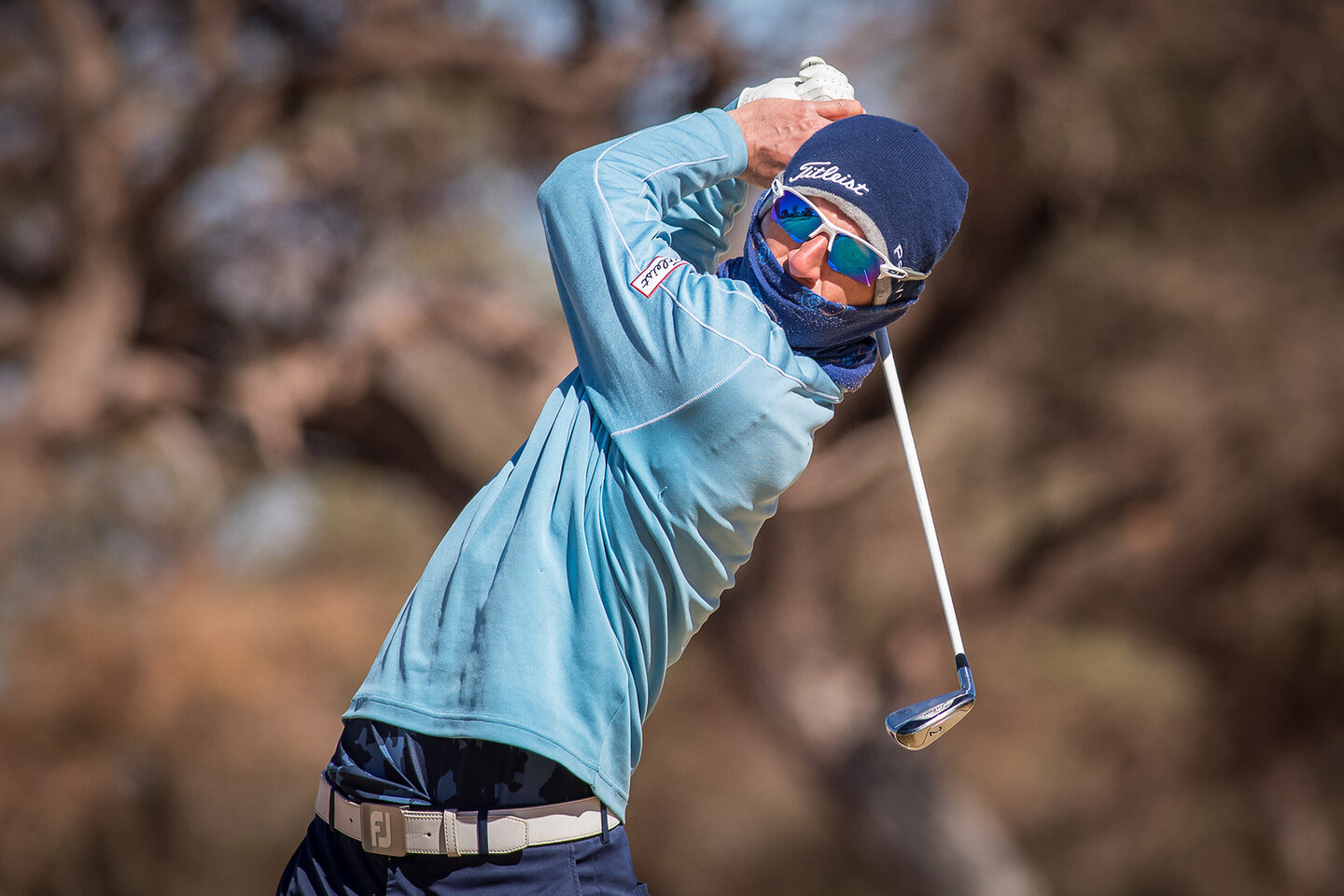
Micro Warm-Ups: Your On-Course Advantage
One of the simplest and most effective strategies is what I call micro warm-ups. Instead of relying on one warm-up before the round, you continuously 'top up' your body.
Between shots: Walk with intent (helps with pace of play too!) and add light movement: Arm swings; torso rotations; gentle squats or weight shifts.
Before each shot: 1 or 2 purposeful rehearsal swings; gradually build intent; add a hint of speed before stepping in.
Think of every shot as a mini first tee. This keeps your nervous system engaged and your body ready to produce a repeatable swing.
Keep Your Hands Alive
Cold hands are one of the fastest ways to lose control of the club. When you lose sensation, grip pressure increases, tension spreads up the arms and club-face control suffers. Simple solutions are to: Dry your grips before every shot if its raining; rotate gloves if they get wet (rain gloves also come in insulated options); use pockets or hand warmers between shots.
If you lose feel in your hands, you lose precision in your swing.
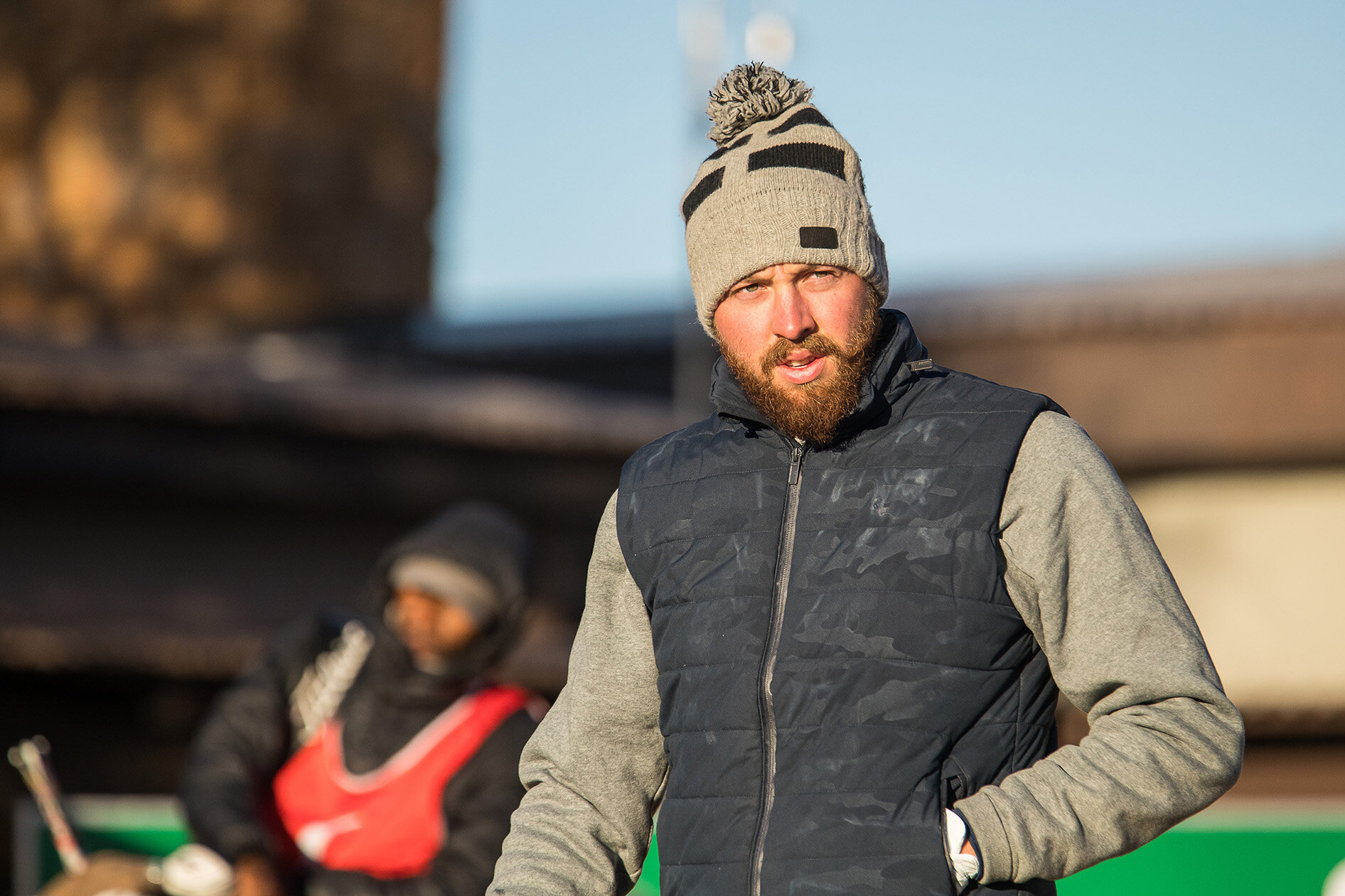

Golf is good … for socialising
Golf is one of the few sports that combines physical activity with several hours of relaxed social interaction. Whether playing with friends, family, colleagues, or new acquaintances, golfers have ample opportunity to build relationships, share experiences, and develop a sense of community.
Golf brings like-minded people together and improves business relationships in beautiful surroundings. It has also been shown to enhance interactions between different generations, providing an opportunity to interact and connect with people of all ages as you switch off from the outside world and enjoy your time at the golf club. Studies have shown that friendships and social connections are key reasons people continue playing golf throughout their lives.
Manage Your Temperature Between Shots
What you do between shots often matters more than the shot itself. Avoid standing still for long periods. Rather stay lightly active while waiting, and limit time sitting in the golf cart
Even subtle movement helps maintain muscle temperature, joint mobility and readiness to swing. It doesn't need to be dramatic, just consistent.
Use Fuel as a Performance Tool
This is an area most golfers completely overlook. In winter, food and drink don't just provide energy – they help regulate body temperature.
Warm fluids (coffee, tea or a flask of hot chocolate) can help maintain core temperature and also improves comfort and focus in cold conditions.
The thermic effect means digested food generates heat – and conversely long gaps without eating can accelerate the drop in body temperature.
Practical approach means, don't wait until you're hungry. Small, consistent intake works best and combine carbohydrates (energy) with a bit of protein. In winter golf, fuel is not just energy – it's heat.
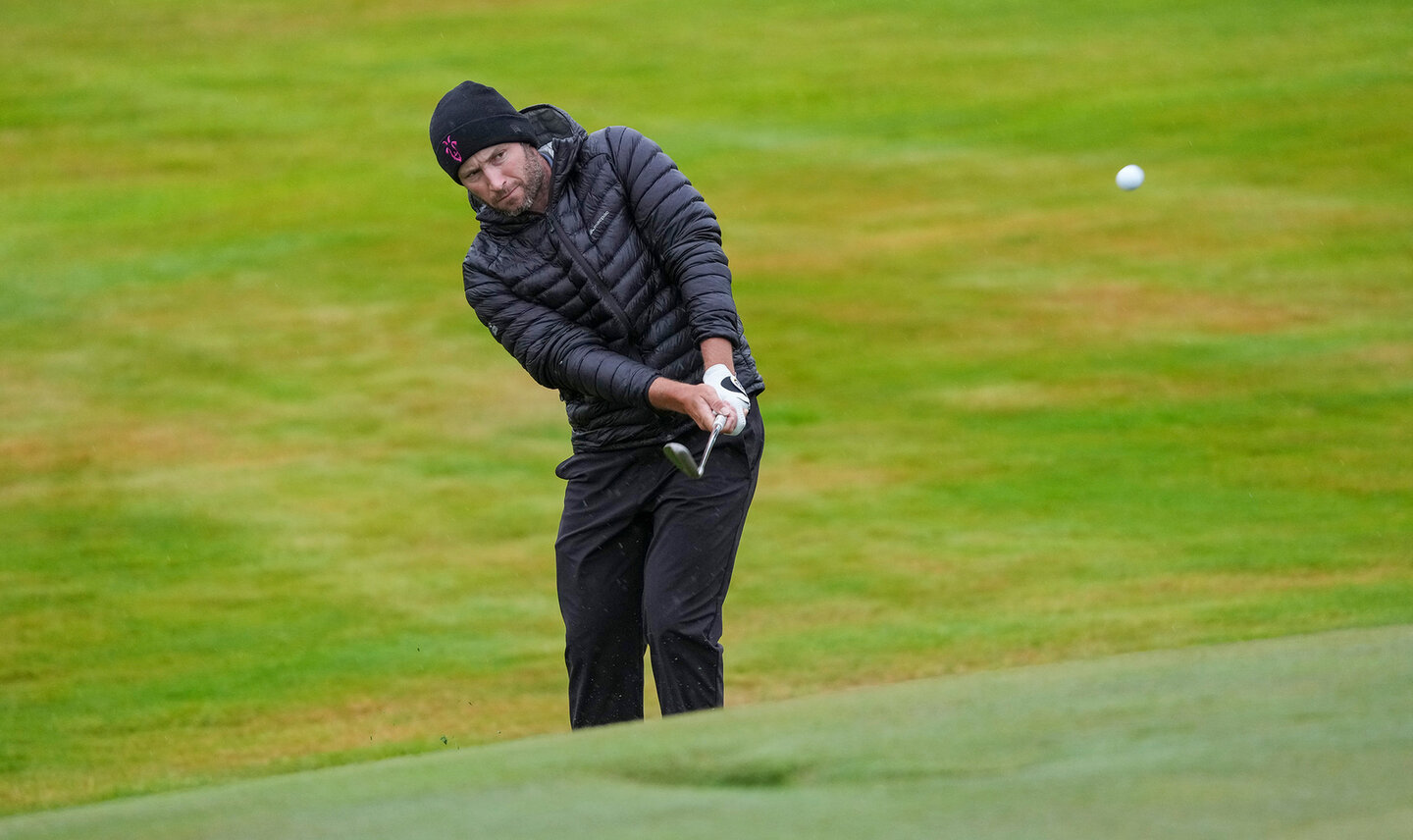
Adjust Your Swing Expectations
One of the biggest mistakes golfers make in cold conditions is trying to swing like it's mid-summer. Your body simply doesn't have the same output.
Instead, Swing at 85-90% effort, prioritise balance and sequencing, and accept slightly reduced distance.
Trying to force speed usually leads to a poor strike, loss of control and increased tension. In winter, efficiency beats effort.
Stay Mentally Engaged (Without Forcing It)
Cold, wet conditions challenge more than just your body, they also test your patience.
Expect slightly inconsistent contact, reduced distance, more variability and bigger shot dispersion.
The key is not to fight it. Adjust your expectations, stay patient and focus on good decisions, not perfect shots, The players who score in winter aren't the most talented, but they are the most adaptable.
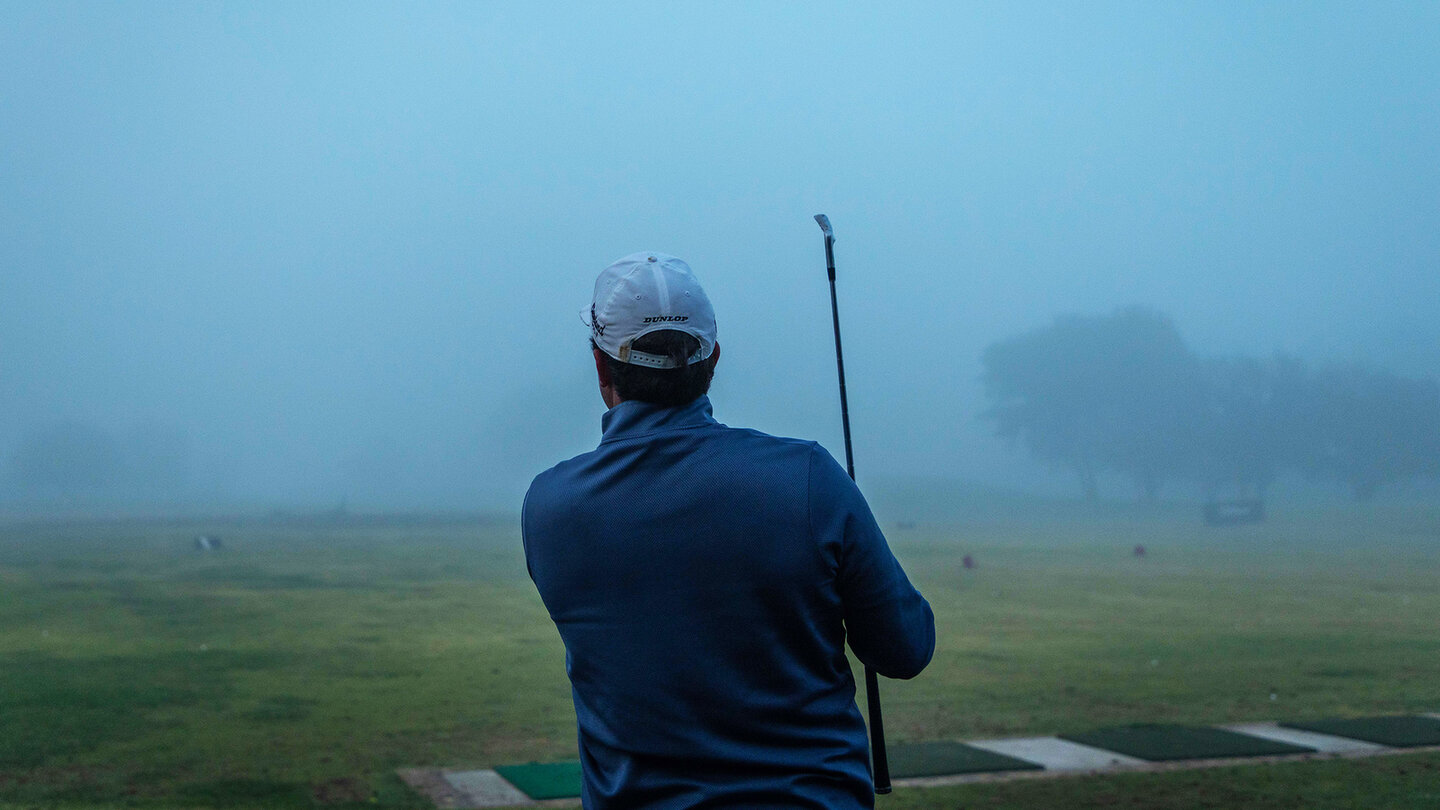
FINAL THOUGHT
You can't control the weather, but you can control how your body responds to it. Colder or wetter weather is not necessarily bad weather – it's just a different challenge to golf that requires some intentional preparation.
If you manage your movement, your temperature, and your energy levels throughout the round, you give yourself the best chance of maintaining performance from the first tee to the 18th green.
In winter golf, it's not about finding something extra. It's about losing as little as possible.
About the author
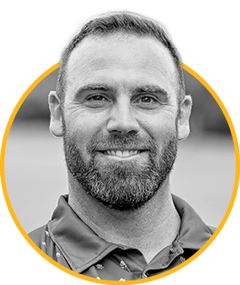
Gavin Groves graduated in biokinetics from the University of Pretoria in 2007 and started working as a golf fitness professional at the World of Golf. A year later, he started his journey with the Titleist Performance Institute. He is also an AA-member of the PGA of South Africa. He joined the University of Pretoria's High Performance golf programme in 2013. In 2018, he moved to the DP World Tour, while he also counts numerous past and present Sunshine Tour professionals as clients. He has been the full-time fitness consultant of the GolfRSA National Squad since 2017 and worked with some of the best SA amateur golfers.
Gavin Groves graduated in biokinetics from the University of Pretoria in 2007 and started working as a golf fitness professional at the World of Golf. A year later, he started his journey with the Titleist Performance Institute. He is also an AA-member of the PGA of South Africa. He joined the University of Pretoria's High Performance golf
Gavin Groves graduated in biokinetics from the University of Pretoria in 2007 and started working as a golf fitness professional at the World of Golf.
A year later, he started his journey with the Titleist Performance Institute. He is also an AA-member of the PGA of South Africa. He joined the University of Pretoria's High Performance golf
programme in 2013. In 2018, he moved to the DP World Tour, while he also counts numerous past and present Sunshine Tour professionals as clients. He has been the full-time fitness consultant of the GolfRSA National Squad since 2017 and worked with some of the best SA amateur golfers.

About the author
Dr Kirsten van Heerden represented South Africa at swimming and holds a PhD in sport psychology. She has worked and travelled extensively within high performance sport for more than 15 years. She has authored a book, Waking From the Dream, on the challenges athletes face when they retire from elite sport. In her podcast ‘Behind the Dream’ she talks with some of the world’s best athletes about the ups and downs of being a professional athlete. She is also the founder and chairperson of Girls Only Project – a non-profit company focusing on women in sport issues. She is in private practice at Newton Sports Agency.




About the author
Dr Kirsten van Heerden represented South Africa at swimming and holds a PhD in sport psychology. She has worked and travelled extensively within high performance sport for more than 15 years.She has authored a book, Waking From the Dream, on the challenges athletes face when they retire from elite sport. In her podcast ‘Behind the Dream’ she talks with some of the world’s best athletes about the ups and downs of being a professional athlete. She is also the founder and chairperson of Girls Only Project – a non-profit company focusing on women in sport issues. She is in private practice at Newton Sports Agency.
Dr Kirsten van Heerden represented South Africa at swimming and holds a PhD in sport psychology. She has worked and travelled extensively within high performance
sport for more than 15 years.She has authored a book, Waking From the Dream, on the challenges athletes face when they retire from elite sport. In her podcast ‘Behind the Dream’ she talks with some of the world’s best athletes about the ups and downs of being a professional athlete. She is also the founder and chairperson of Girls Only Project – a non-profit company focusing on women in sport issues. She is in private practice at Newton Sports Agency.

TROY WINFIELD | TYRONE WINFIELD | SUNSHINE TOUR | MICHAEL THOMAS | ASIAN TOUR | GOLFRSA