FAIRWAYS & BEYOND
CROWN
jewels
There's something about a golf club with the Royal prefix in its name that exudes heritage and sophistication
By Ben Karpinski
In South Africa there are four golf clubs with the right to use the Royal prefix in their name. It's a title bestowed upon them by a reigning monarch with all four South African clubs earning the prefix during the reign of George V. The honour of this title was a way to recognise a golf club's high standards, historical significance and connection to the crown. That connection was usually through a member of the British Royal family being a patron of the club, or an honorary member.
With South Africa being so strongly linked with the British Isles upon its establishment as a Union, the societal link to the crown was a natural one. With the pioneering golf clubs back in the day being such hubs for recreation and social affairs, the highest of calibre made for natural 'Royal' choices.
Royal Cape Golf Club
visit website
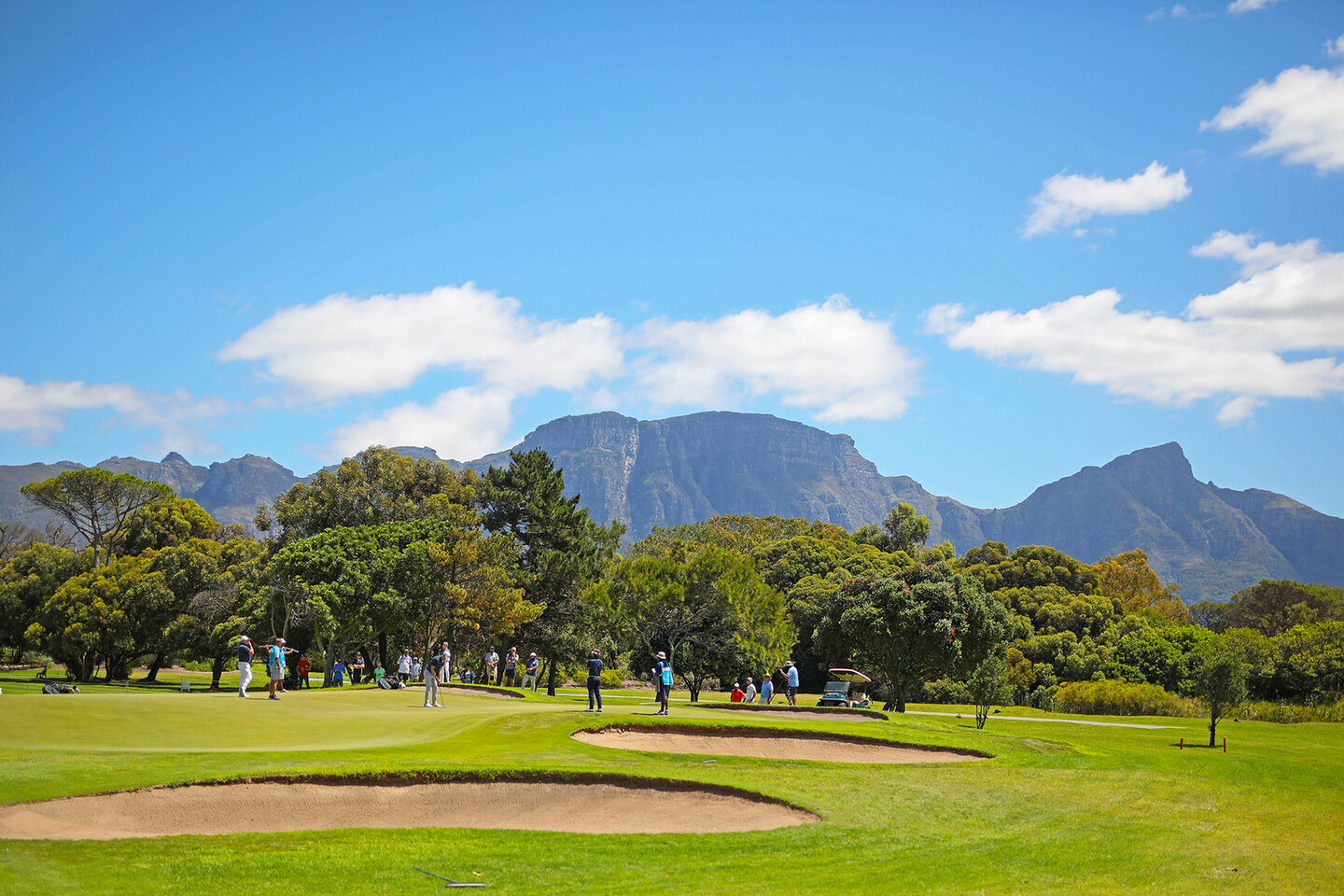
South Africa's oldest golf club started out as a basic 9-hole course in late 1885 at the Wynberg Military Camp. Initial play was then shared between the Wynberg and Rondebosch Commons, with the club even having their own club professional from as early as 1893. In 1906 it moved to the site in Ottery where the the club became a permanent place of golf.
In 1910 the Duke of Connaught visited South Africa on behalf of his cousin King George V, who had recently ascended to the throne. Primarily in Cape Town for the opening of the first Parliament of the Union of South Africa, his visit to the club led to the Royal designation the same year. At the time it was the fifth club outside of the British Isles to have this bestowed upon it.
In 1923 the colonial style clubhouse was built which remains in all its glory today, but it was only in 1929 that the course really took on the shape and character it is now known for. Though now part of vast suburbia, and with a major motorway running along its western perimeter, the course still exhibits the characteristics of its smallholding origin.
A true Cape course in vegetation and layout, flat in appearance but with well contoured greens, it is a real golfing test despite not being particularly long by modern standards. In recent years it has been a most suitable home for the Cape Town Open, extending a long history of hosting top golfing tournaments. With 10 South African Opens, it only sits behind Durban Country Club as a local course with the most hostings of the event.
Royal Port Alfred Golf Club
visit website
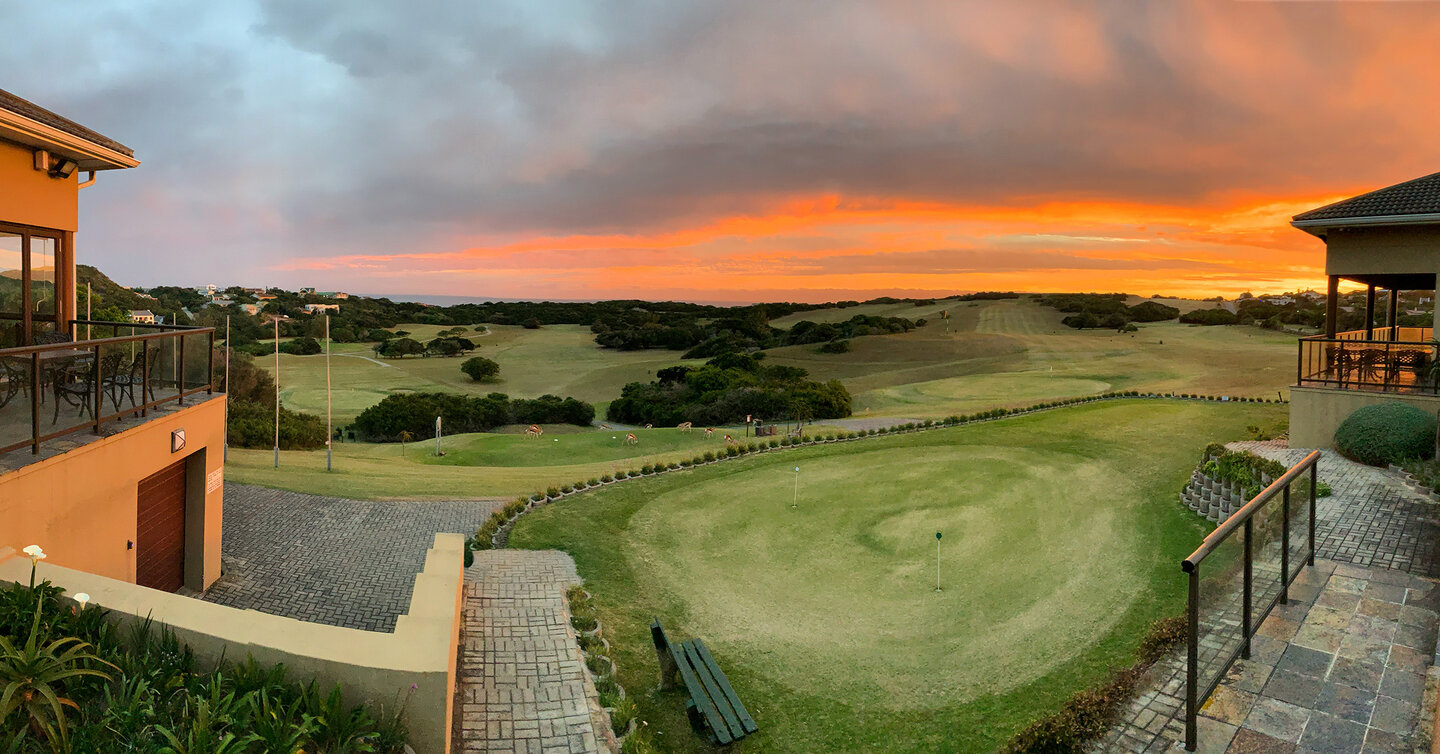
From humble beginnings in 1907, when the greens were made of shell grit, this Eastern Cape golf course was described a few years later by a magazine as having "no equal in South Africa".
Princess Alice of Connaught first visited the club in 1921, and was so taken by the place she even gave each hole a special name and returned two years later in 1923 with her husband, Prince Arthur of Connaught. He commented that 'the links surpassed anything that I had ever expected'. The result of these visits and the glowing recommendations led to King George V granting the Royal prefix in 1924.
Its heyday as a club was perhaps between the two world wars, although in the 1950s Bob Grimsdell elevated the playing experience with some layout changes. However, to this day, the original appeal of the course is very much unchanged, making the most of its coastal positioning, with scenic views and a few quirky holes – as you would expect from a course created in 1907.
In 2007 the clubhouse was given a significant upgrade for the club's centenary, with representatives from 40 other Royal clubs from around the world attending. A little more off the beaten track than the other Royals of South Africa, but with special annual events and a thriving community routed to the club, Royal Port Alfred Golf Club is perhaps the one that most signifies the original spirit of the prefix.
Royal Durban Golf Club
visit website
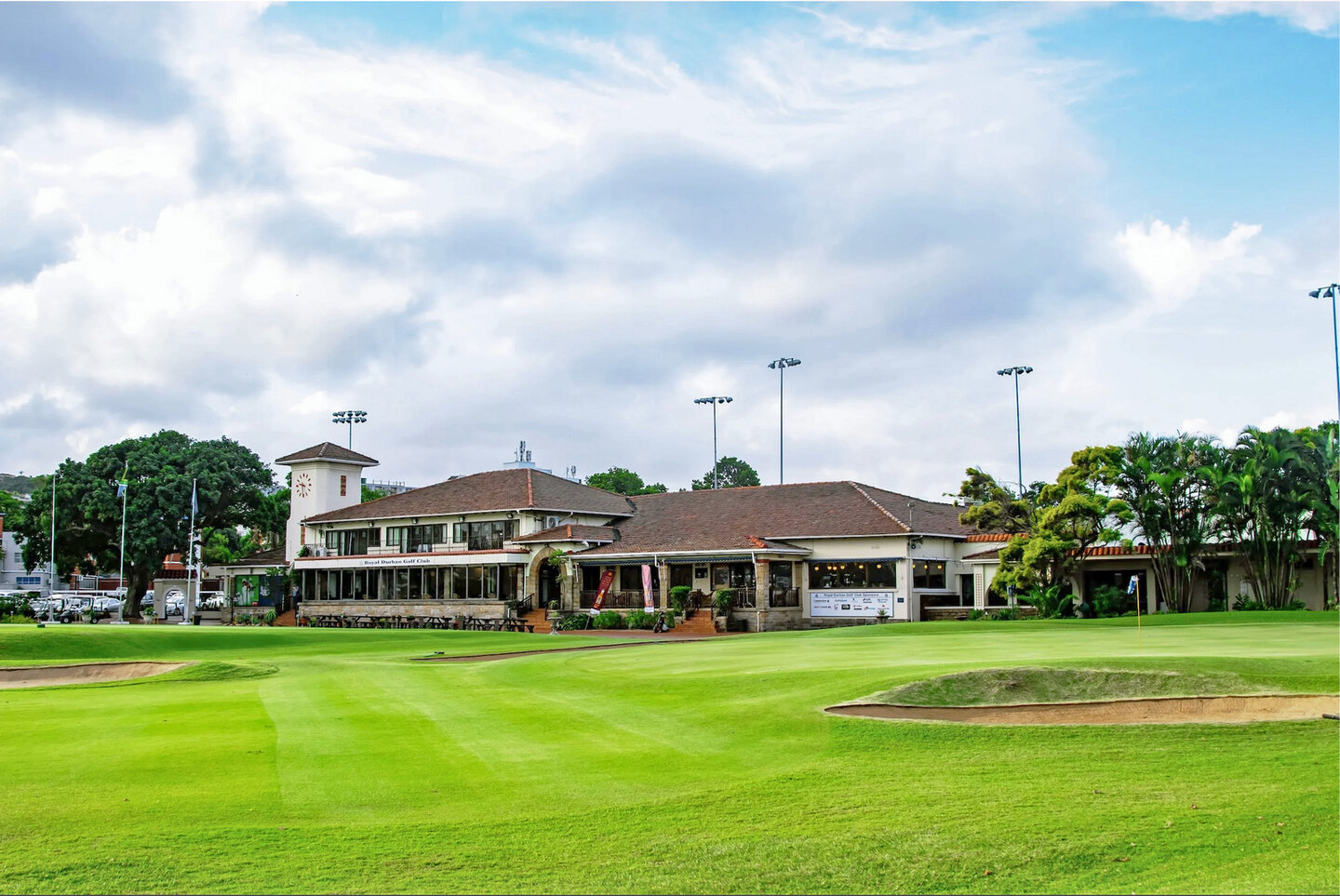
The quirky course within the Greyville Racecourse, started out as the Durban Country Club in 1892. In 1925 the then Prince of Wales visited, setting in motion the granting of the Royal designation by King George in 1932.
There are older golf clubs in South Africa, but few have remained at their original site, like Royal Durban. Since its creation it has hosted many top amateur and professional events, with many of its members being prominent competitive golfers.
Along with its local high profile events, it also hosted the Nelson Mandela Championship in 2012 – a DP World Tour (then European Tour) event. Like many events in December in Durban, the weather was a major factor with rain not only shortening the tournament, but also the course itself. It became a par 65 for the two rounds of play with Scott Jamieson taking the title. Naturally these scores didn't count as new course records. That honour belongs to Clinton Whitelaw who shot 64 there in the SA Strokeplay Championship.
Though no longer a top ranked course in the country, it still provides a terrific golf experience for all levels of golfer in Durban. The colonial styled clubhouse still cuts an iconic figure against the nearby city centre.
Royal Johannesburg
visit website
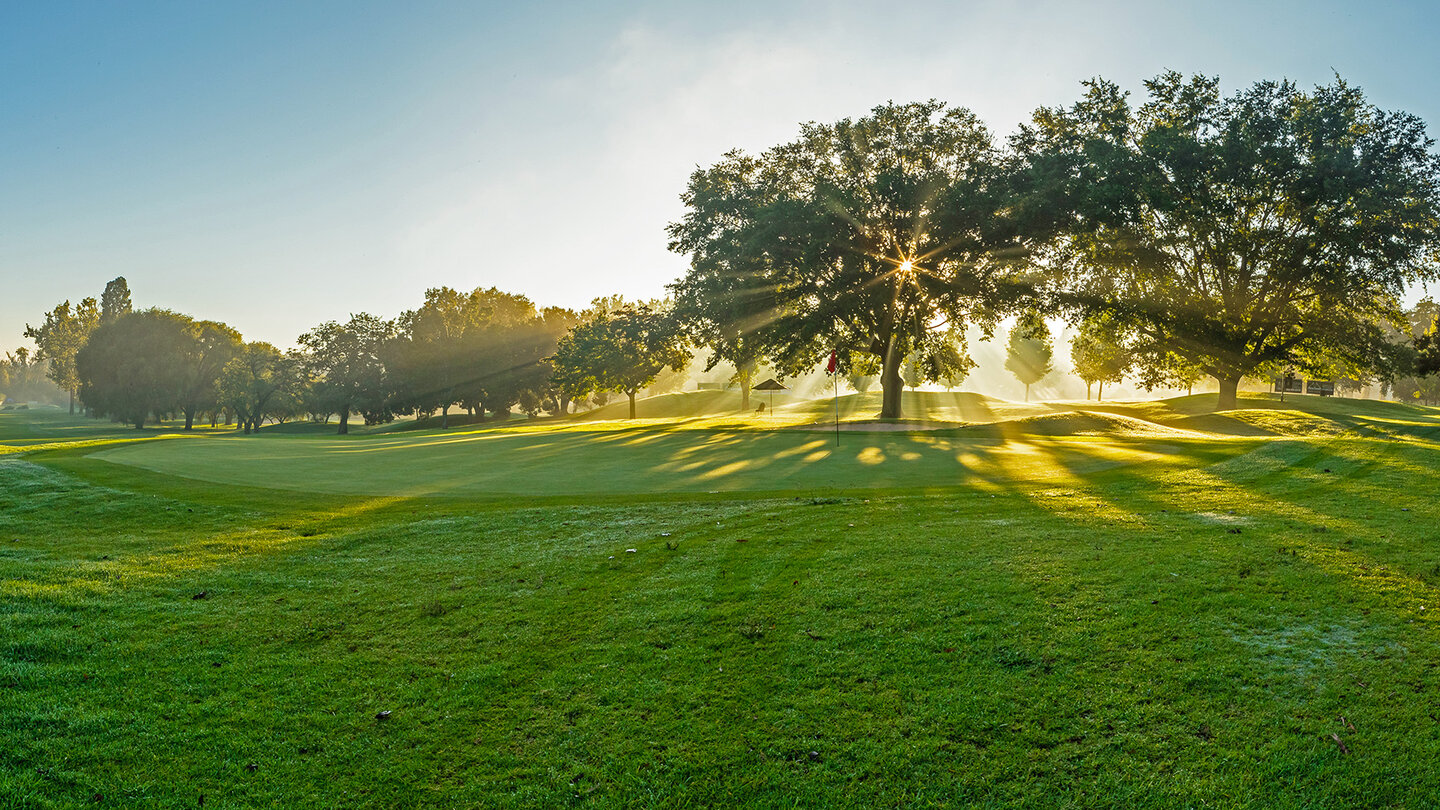

Originally founded as the Johannesburg Golf Club in 1890, in 1909 the club settled on the property where it is today. The West Course, as we now know it, was the first layout crafted by Laurie Walters. In 1930 the then Prince of Wales played there and became the club's patron, which led to the course receiving its Royal status in July 1931 from King George V.
Bob Grimsdell created the better-known East Championship Course which opened for play in 1935. Grimsdell was key to the design of many of South Africa's top courses throughout his prolific career, but Royal Johannesburg was an extra special place for him, as he was also the club pro there for 20 years until 1946.
There are many things that have made Royal Johannesburg a somewhat unique Royal club. Though also steeped in heritage and prestige as the other other Royals, it is perhaps it's more modern accomplishments that make it stand out. Through strategic renovations and developments, it has a thriving modern member base. Expanded facilities now include a fine-dining restaurant, padel courts, and a state-of-the-art gym, along with two residential developments.
The ability to preserve heritage while creating contemporary appeal is a challenge for golf in general, but seeing it in unison at Royal Johannesburg is a true credit to what makes the sport in South Africa so special.
THE INTERNATIONAL ROYAL NETWORK
Though the days of Royal visits and grand naming ceremonies are a thing of the past, the significance of Royal clubs still remains. Members of these clubs have local and international reciprocity within the broader Royal network. This is something
that allows for access to a wide number of clubs, with potential preferential rates for green fees and more within the clubs' facilities.
This is of course of tremendous value for Royal members in South Africa, particularly when venturing to Great Britain to play and experience some of the well known clubs across England, Scotland, Wales, Northern Ireland and the Republic of Ireland. The Royal and Ancient Golf Club of St Andrews is possibly the most known Royal golf club in the world
Though the British monarchy is generally the one linked to Royal clubs, existing monarchs from other countries have also bestowed similar titles to clubs. Most notably in Spanish clubs with the Real prefix denoting the mark of the Spanish monarchy.
GETTING THERE
If you are planning a trip to a Royal club in South Africa, and intend to enjoy some unique clubs with storied histories, the following are the starting point for travel plans:
Royal Johannesburg
The main hub of OR Tambo International Airport is your start point, from here Royal Johannesburg is a relatively short 20-kilometre drive.
Royal Durban
Situated on the outskirts of the original city centre, Royal Durban is 33 kilometres from King Shaka International Airport.
Royal Port Alfred
The most remote of the four courses, a flight to either Gqeberha or East London puts you roughly 150 kilometres away from Royal Port Alfred.
Royal Cape
From the Cape Town International Airport, it is a straightforward 19-kilometre journey on the N2 and M5 motorways to the course.
TYRONE WINFIELD | SUNSHINE TOUR | ROYAL PORT ALFRED GOLF COURSE | ROYAL DURBAN | SUICASMO