
BOOK EXTRACT
BREEDING
Ground
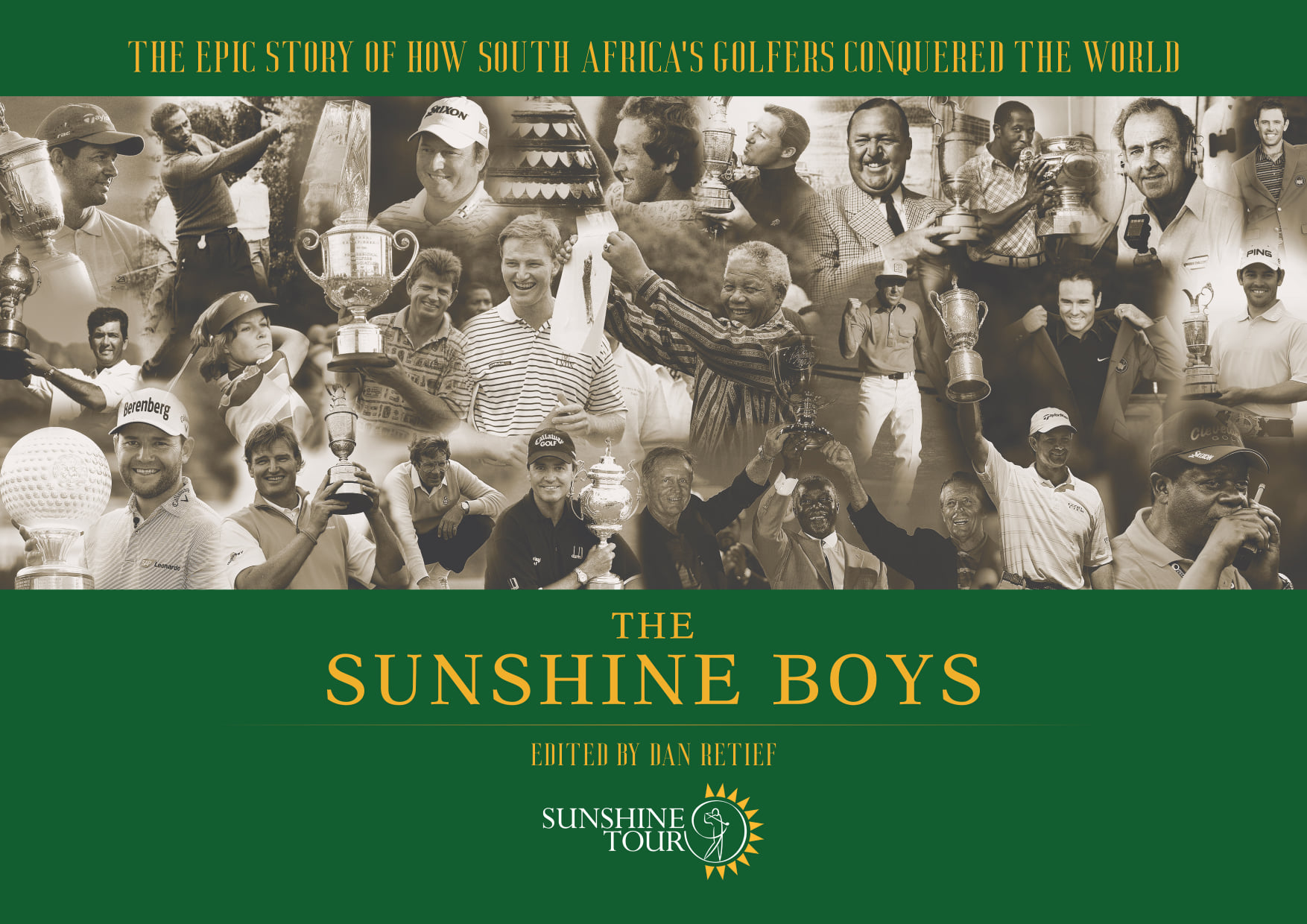
This is the 10th edited extract from the book The Sunshine Boys, a Sunshine Tour publication produced in 2021
WIN!
A copy of
The Sunshine Boys
by DAN RETIEF
At the start of the 2008 Nelson Mandela Invitational, a group of eager young golfers from the South African Golf Development Board (SAGDB) had gathered around the practice area at Arabella. In their centre stood that year's US Masters champion, Trevor Immelman.
He had just finished a coaching clinic, and after the pleadings from the learners he had pulled out his driver. To their awe and delight, he proceeded to boom a few drives into the nearby lagoon – the balls flying so far that the younger kids would rush forward after each one to try to catch a glimpse of the splash.
Suddenly their chatter subsided as another figure strode into their midst. Even Immelman took a step back. Gary Player had seen the children and insisted on coming to shake their hands. 'Mr Player was so-excited to see us,' recalled one of the SAGDB players who was there that day. Out of respect, he would never refer to the great champion as 'Gary'.
'I remember his words. He said, 'One day it's going to be you standing here'.'
That 18-year-old was Jacquin Hess (main image), and, in his case, Player's words were profoundly prophetic. Eleven years later, as a Sunshine Tour professional, Hess would indeed host his own clinic for SAGDB players at exactly the same venue.
Just a few months later he would also go on to win the Big Easy Tour Championship, his first professional title, and a further confirmation of how far development of golf in South Africa had come.
'I am forever grateful for what the SAGDB did for me. What I learnt from them, and from Mr Player that day, is that you can become whatever you want to be'
This was a young man from the small farming town of Robertson who, were it not for the SAGDB, would never have had a path to a career in the sport.
'I am forever grateful for what the SAGDB did for me,' Hess said. 'What I learnt from them, and from Mr Player that day, is that you can become whatever you want to be.'
Finding and nurturing talented players like Hess was always the inspiration behind the work of the SAGDB. Creating a path for them into the professional game was part of that aim.
Indeed, when Johann Rupert brought forward the idea of creating a formal development body for golf in South Africa, the man he asked to run it was former Tour commissioner Arnold Mentz.
'Blue-chip companies channel plenty of money into golf, but not a single cent into development,' Mentz remarked in March 2001, two years after after the SAGDB was formed (1999). 'And yet I've seen so much talent among the disadvantaged people of South Africa. Even in the rural areas there's a desire to become a Tiger Woods or an Ernie Els. But when you don't have access to courses, golf ranges, teaching or practice facilities it just can't happen. The cry has been, 'We want to play golf but have nowhere to go'.'
The SAGDB would continue to struggle for funding for many years. At times, Rupert financed its operations almost single-handedly. However, it persevered and in time proved its value to the rest of the industry.
'Once two or three years went by and we were still around, and doing what we said we would do – producing golfers and establishing projects around the country – people started to take us a bit more seriously,' recalled Grant Hepburn, the SAGDB's managing director.
In time, the SA Golf Association and its member unions lent financial support, and the Sunshine Tour came on board to fund some of the SAGDB's chapters by linking them to specific tournaments on the Tour. Places were also set aside for SAGDB players in events on the Big Easy and IGT Tours to give them a taste of tournament golf.
Relationships were also forged with the Ernie Els & Fancourt Foundation and the Louis Oosthuizen Academy – initiatives set up by two of South Africa's most successful players.
Resources were shared to give the most promising players the best opportunities to excel. Developing players to this level was also aided by the close involvement of the PGA of South Africa.
Dennis Bruyns was the chairman of the PGA when the SAGDB was formed, and he was instrumental in both encouraging pros to coach some of the top SAGDB talents, and up-skilling the SAGDB's own coaches.
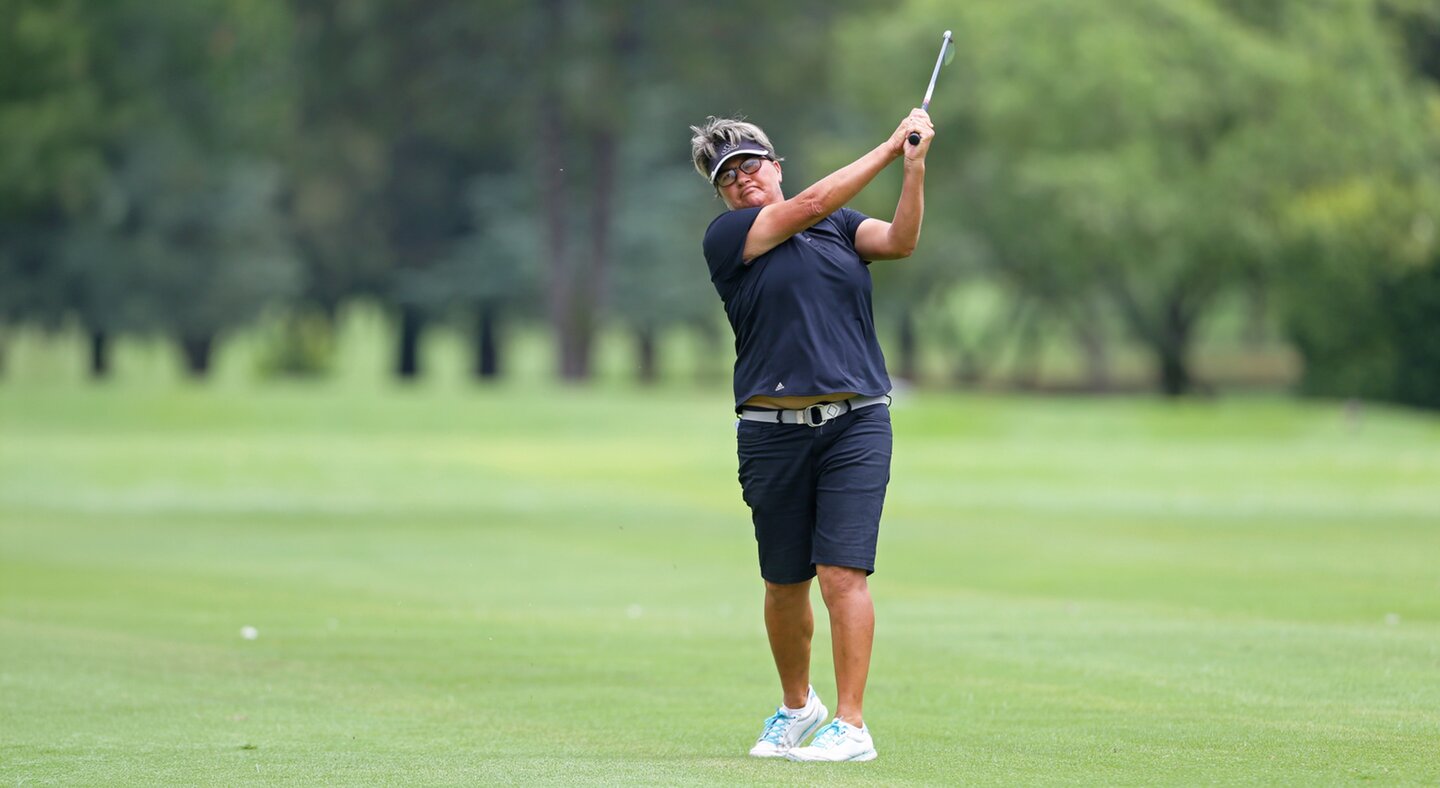
PGA pro Michelle de Vries was one of the teaching professionals who supported the SAGDB from the start.
'I've seen so much growth over the years,' De Vries said. 'It's so exciting to see kids coming through the programme, making provincial teams on merit, and some of them turning professional.'
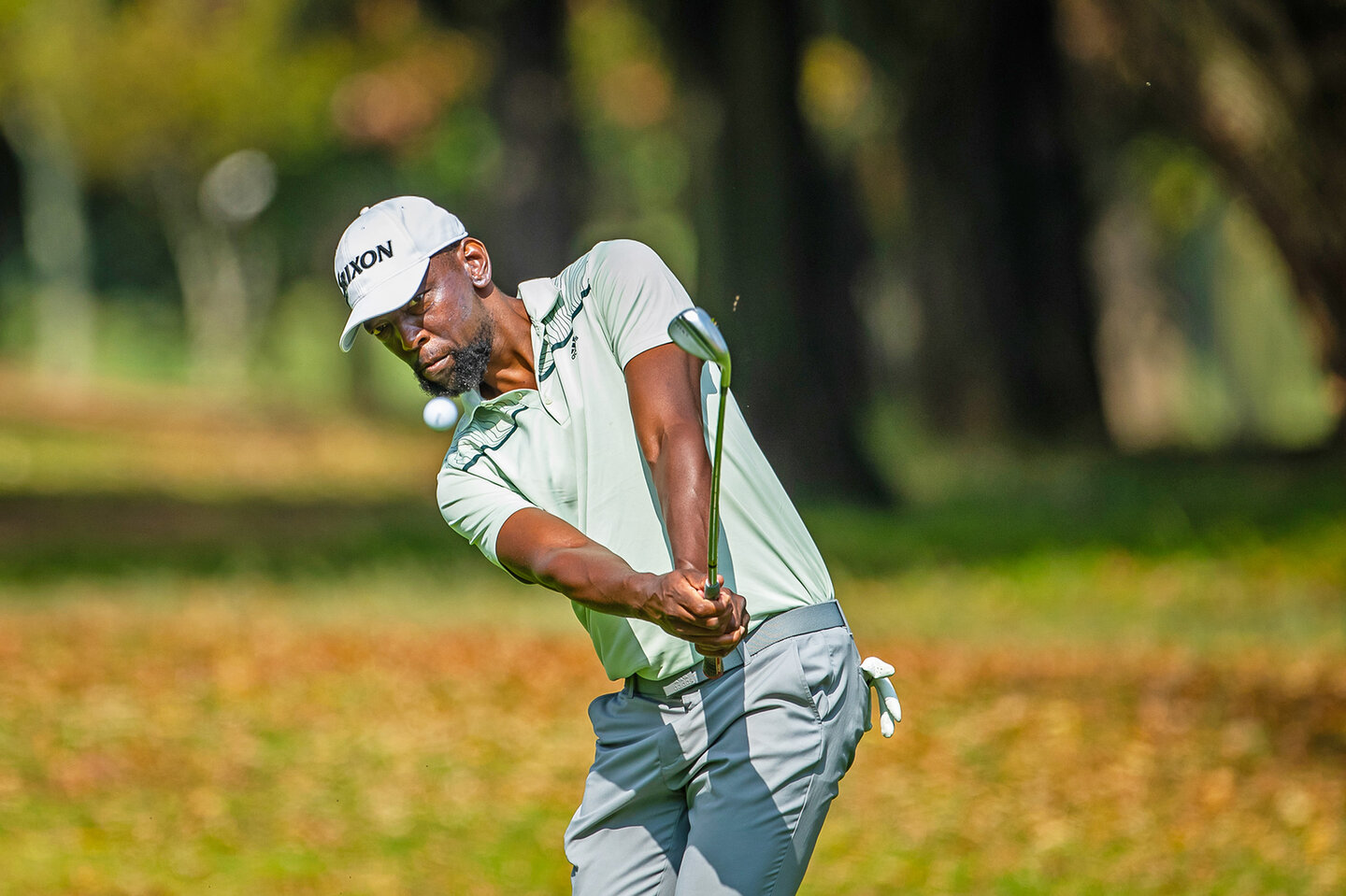
In one particularly heart-warming encounter, Retief Goosen was so impressed with what he had seen from the SAGDB's Siyanda Mwandla at a clinic ahead of the 2010 SA Open that he immediately marched over to the TaylorMade tent and insisted that his sponsors hand over a new driver for the youngster.
When Goosen encountered Mwandla again two years later, he was playing for the KwaZulu-Natal provincial team.
'It makes you really proud to see how well Siya has done,' Goosen said. 'I remember going to golf clinics as a junior and seeing the golfers I idolised, and wanting to be like them. That's why I do this – to help inspire somebody like Siya.'
Mwandla himself is now one of the SAGDB's coaches.
For Hepburn, this is characteristic of how the country's pros have responded to the SAGDB.
'They love the fact that we are doing something for these youngsters, and that over the years we have produced some quality players that play on the Sunshine Tour,' he said. 'They understand the need for it and are proud to be associated with the youngsters coming through. They love to give back to the game, and there is a genuine interest and enjoyment in interacting with our players.'
Often just their presence is an inspiration. Sipho Bujela, who came through the SAGDB's programme in Soweto before moving on to the Gary Player School for Champions and the Sunshine Tour, recalls how significant it was to have role models.
'The likes of Bafana Hlophe, Thabang Simon, Ivan Mazibuko and Mawonga Nomwa were active on the Sunshine Tour, and they would come to Soweto and play,' Bujela said. 'I would watch them and be inspired.'
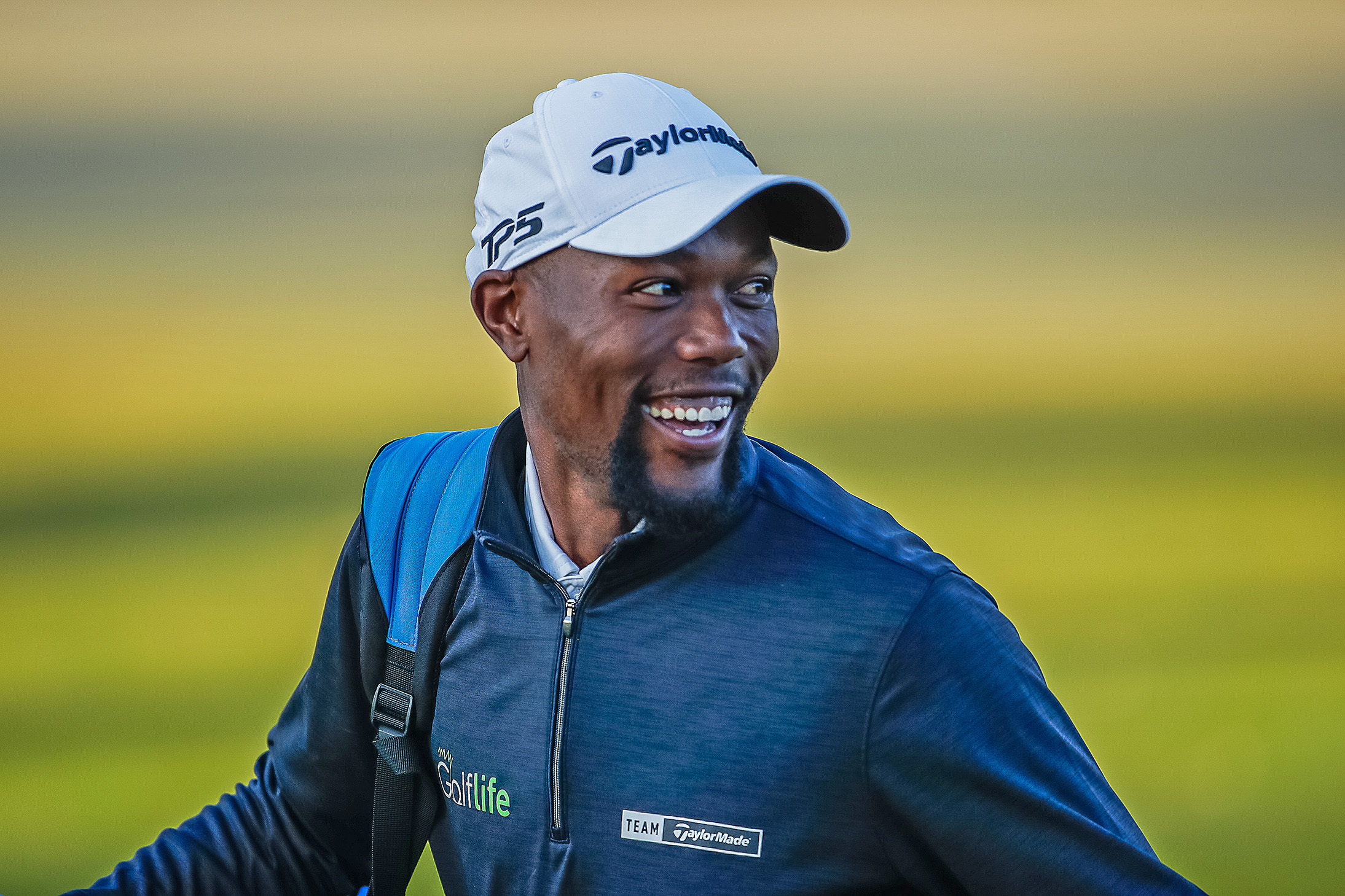
DEON VAN DER MERWE | CARL FOURIE | TYRONE WINFIELD | SUNSHINE TOUR