
MIND & BODY
On Your
FEET!
In part one of this two-part lifestyle series, GAVIN GROVES explains why walking the course might be the simplest performance upgrade you're ignoring
By GAVIN GROVES

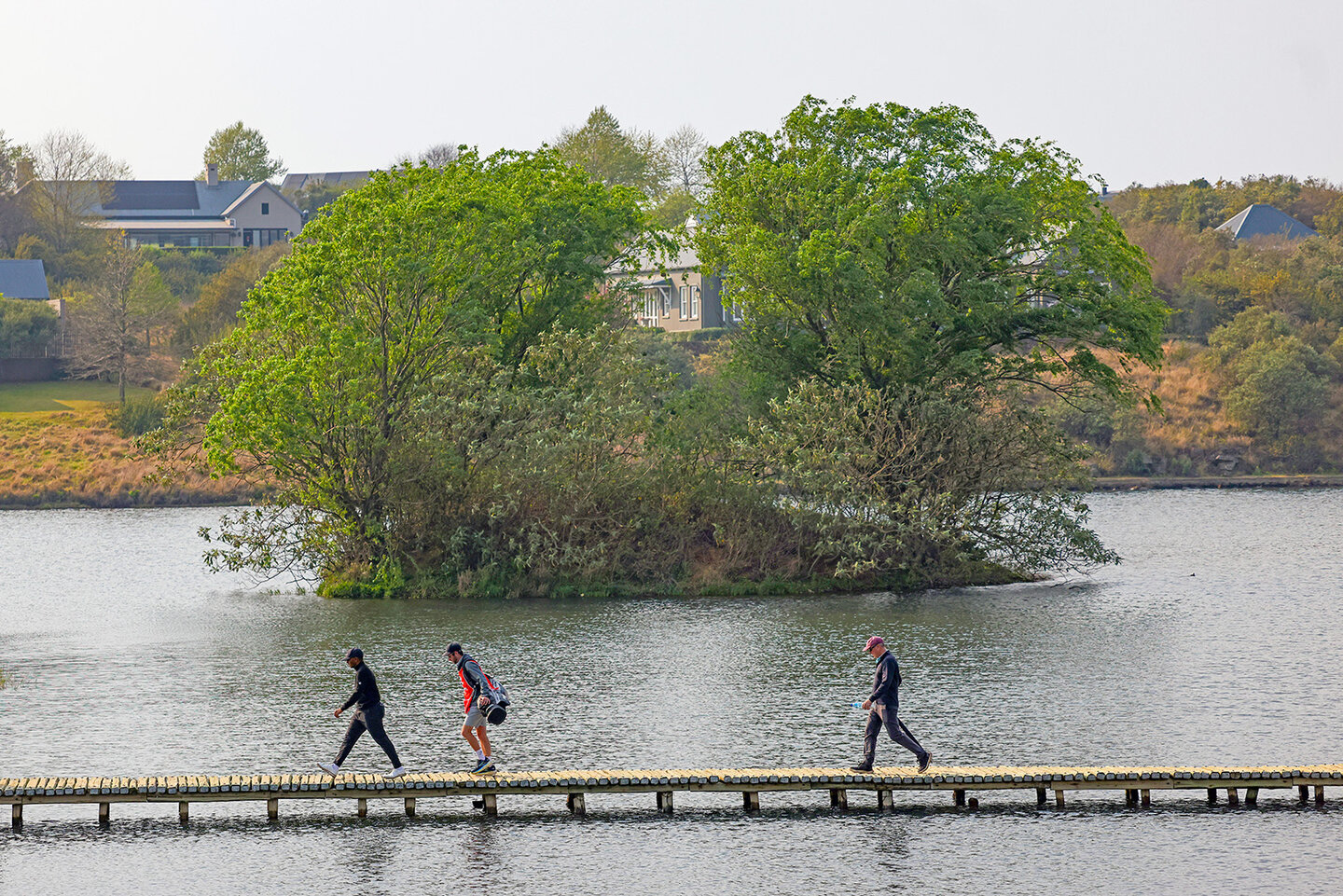
Spend time around traditional links golf in the United Kingdom and you'll notice something quietly revealing: golf carts are rare. At many clubs you need a medical certificate before you're allowed to use one. Walking isn't a lifestyle choice or a fitness trend – it's how the game is played.
Contrast that with much of the modern recreational scene, shaped heavily by American cart culture. Music drifts across fairways, cool boxes ride in the back seat, and a round of golf can begin to feel closer to a slow social gathering than a sporting challenge.
Somewhere in that evolution, we may have drifted from one of golf's simplest truths: Golf was designed to be walked.
And, for those who care about performance, another truth follows naturally: Golf is usually played best by those prepared to walk it.
South Africa, blessed with some of the world's most spectacular walking courses (see Fairways and Beyond), reminds us of this every weekend. And the encouraging news is that becoming better at walking golf doesn't require marathon training or endless hours in the gym. More often, it simply means building the right engine.
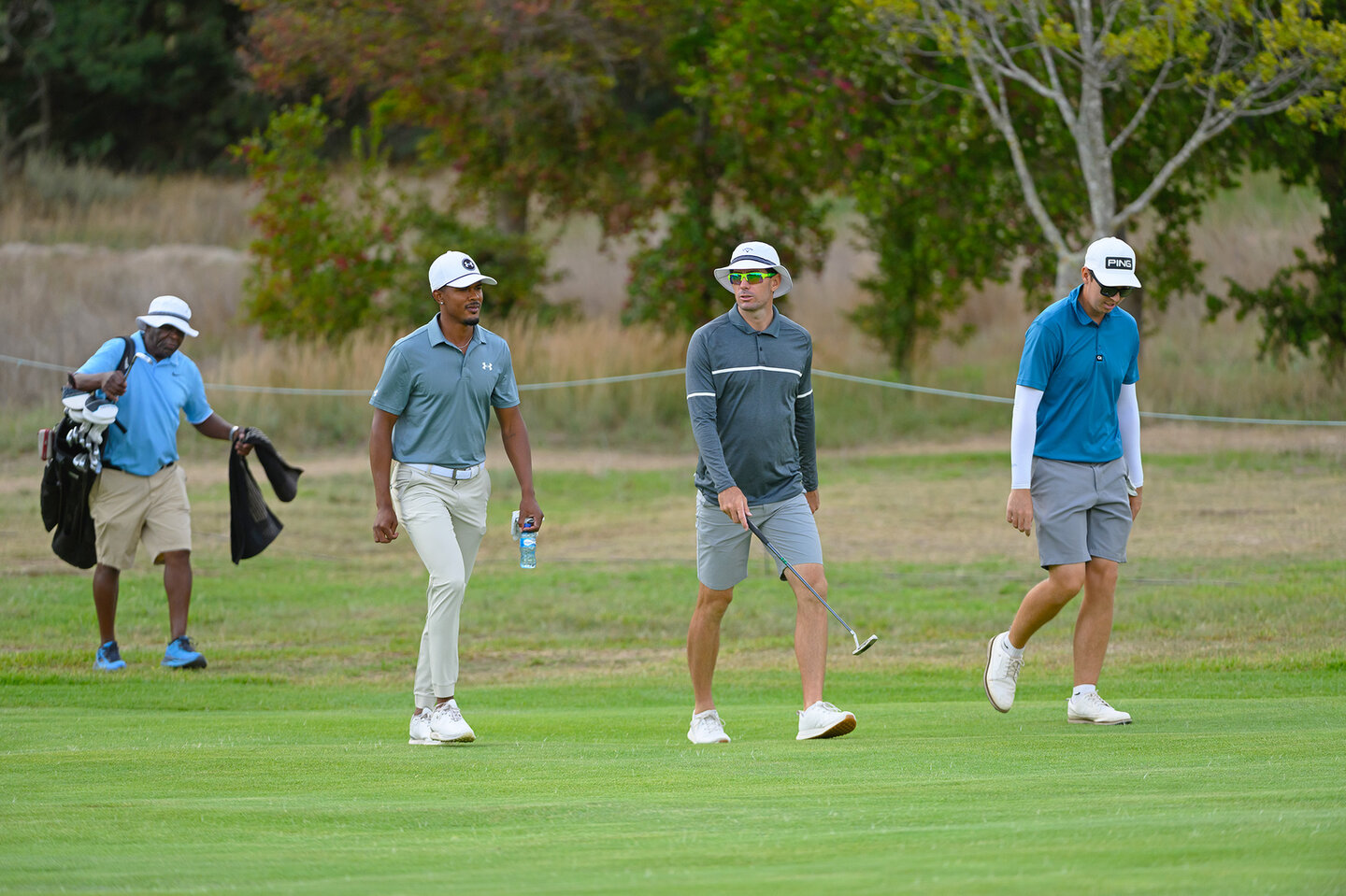
What Walking 18 Holes Asks of the Body
A typical round covers somewhere between 8-12km, spread across four to five hours of uneven ground, changing lies, and fluctuating weather. Physically, that calls for steady aerobic endurance, fatigue-resistant strength through the calves and hips, and the ability to maintain posture and swing mechanics long after the opening holes feel comfortable.
This is why scorecards so often tell the same story: a steady front nine followed by small, accumulation of mistakes on the back. Rarely is this only technical. More often, it is physical.

Building an Aerobic Base That Lasts All Round
Golf doesn't reward extreme cardio fitness. It rewards efficiency – the ability to produce calm, sustainable energy for several hours without dramatic spikes in fatigue.
This is where steady, conversational-pace Zone 2 cardio becomes so valuable. Training at this intensity improves endurance, supports the body's ability to use fat as fuel, and helps preserve mental clarity late in the round – precisely when decision-making matters most.
For most golfers, the formula is reassuringly simple: two or three sessions per week, lasting 30 to 45 minutes, using brisk walking, light cycling, or incline treadmill work. Walking on an incline of around five to ten percent is particularly useful, as it mirrors the muscular and cardiovascular demands of a hilly course.

THE BENEFITS
- Walking fitness is not separate from golf performance. It quietly shapes it
- You don't need marathon training to walk well – just the right engine
- Golf was designed to be walked – and it's usually played best that way
- Walking doesn't just change your fitness. It does change your relationship with the course
- Cart golf can feel easier. Walking golf often produces better golf
- Walking restores the natural rhythm of golf
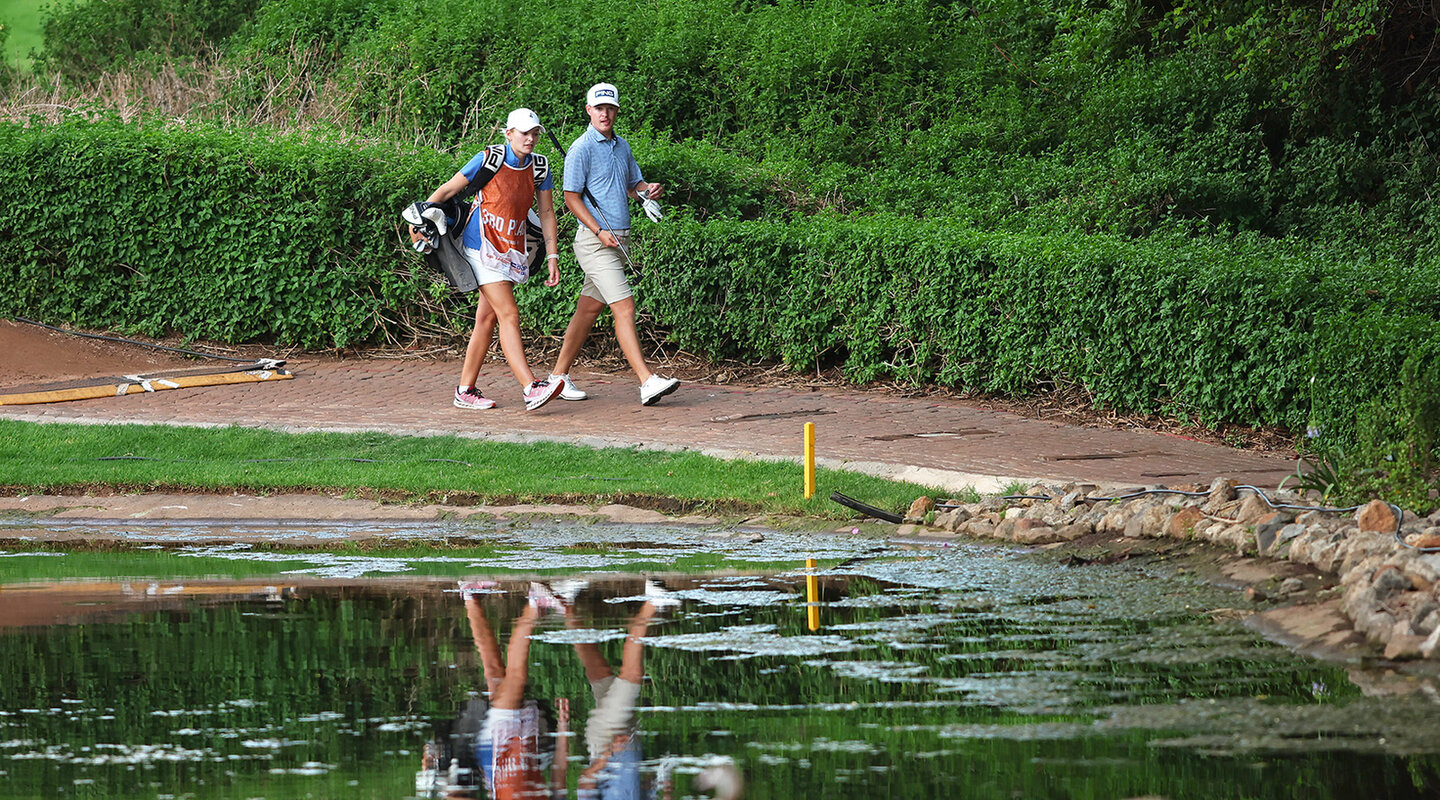
Strength That Keeps Walking – and Swinging – Intact
If aerobic fitness provides the engine, strength keeps the structure from collapsing under fatigue. For golfers, this isn't about lifting heavy weights. It's about endurance, stability, and the quiet resilience that allows posture and rotation to hold together on holes 15-18.
The glutes sit at the centre of this conversation. They support the lumbar spine, control hip rotation, generate power in the swing, and sustain efficient walking mechanics. When they tire, the lower back often compensates – and that is usually when posture softens and swing quality begins to slip.
Single-leg movements such as Bulgarian split squats or reverse lunges, performed with control for moderate repetitions, closely reflect both the walking gait and the rotational nature of the golf swing.
Further down the chain, the calves absorb thousands of steps in a single round. Their role is less about force and more about fatigue resistance, which is why higher-rep calf raises are so effective for golfers hoping to feel stronger late in the day.
Equally important is the quiet work of the upper back and core. As fatigue sets in, rounded shoulders and a collapsing torso can subtly alter swing mechanics. Simple pulling movements like rows, alongside stability-focused core work such as planks or Pallof presses, help preserve posture and sequencing when it matters most.
Encouragingly, this entire strength foundation can be built with two short sessions per week – a small investment with a noticeable return.
NEXT MONTH…
In Part 2, we explore the elements that ultimately decide whether that strong start becomes a strong finish: hydration, on-course fuel, pacing, and recovery.
The Quiet Competitive Edge
Watch competitive golf closely and a pattern begins to emerge. Players who are physically prepared to walk tend to think more clearly, maintain speed and rhythm for longer, and make calmer decisions under pressure. They don't just start well – they finish well.
Walking fitness, then, is not only about health. It is about performance.
And perhaps, in choosing to walk, golfers rediscover something deeper too: a slower rhythm, a clearer mind, and the uninterrupted conversation between player, course, and game that carts can sometimes drown out.
About the author
Gavin Groves graduated in biokinetics from the University of Pretoria in 2007 and started working as a golf fitness professional at the World of Golf. A year later, he started his journey with the Titleist Performance Institute. He is also an AA-member of the PGA of South Africa. He joined the University of Pretoria's High Performance golf programme in 2013. In 2018, he moved to the DP World Tour, while he also counts numerous past and present Sunshine Tour professionals as clients. He has been the full-time fitness consultant of the GolfRSA National Squad since 2017 and worked with some of the best SA amateur golfers.
Gavin Groves graduated in biokinetics from the University of Pretoria in 2007 and started working as a golf fitness professional at the World of Golf. A year later, he started his journey with the Titleist Performance Institute. He is also an AA-member of the PGA of South Africa. He joined the University of Pretoria's High Performance golf
Gavin Groves graduated in biokinetics from the University of Pretoria in 2007 and started working as a golf fitness professional at the World of Golf.
A year later, he started his journey with the Titleist Performance Institute. He is also an AA-member of the PGA of South Africa. He joined the University of Pretoria's High Performance golf
programme in 2013. In 2018, he moved to the DP World Tour, while he also counts numerous past and present Sunshine Tour professionals as clients. He has been the full-time fitness consultant of the GolfRSA National Squad since 2017 and worked with some of the best SA amateur golfers.
About the author
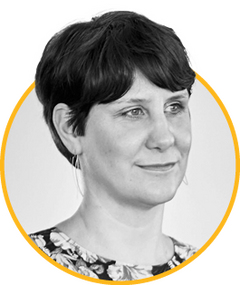
Dr Kirsten van Heerden represented South Africa at swimming and holds a PhD in sport psychology. She has worked and travelled extensively within high performance sport for more than 15 years. She has authored a book, Waking From the Dream, on the challenges athletes face when they retire from elite sport. In her podcast ‘Behind the Dream’ she talks with some of the world’s best athletes about the ups and downs of being a professional athlete. She is also the founder and chairperson of Girls Only Project – a non-profit company focusing on women in sport issues. She is in private practice at Newton Sports Agency.




About the author
Dr Kirsten van Heerden represented South Africa at swimming and holds a PhD in sport psychology. She has worked and travelled extensively within high performance sport for more than 15 years.She has authored a book, Waking From the Dream, on the challenges athletes face when they retire from elite sport. In her podcast ‘Behind the Dream’ she talks with some of the world’s best athletes about the ups and downs of being a professional athlete. She is also the founder and chairperson of Girls Only Project – a non-profit company focusing on women in sport issues. She is in private practice at Newton Sports Agency.
Dr Kirsten van Heerden represented South Africa at swimming and holds a PhD in sport psychology. She has worked and travelled extensively within high performance
sport for more than 15 years.She has authored a book, Waking From the Dream, on the challenges athletes face when they retire from elite sport. In her podcast ‘Behind the Dream’ she talks with some of the world’s best athletes about the ups and downs of being a professional athlete. She is also the founder and chairperson of Girls Only Project – a non-profit company focusing on women in sport issues. She is in private practice at Newton Sports Agency.

Shaun Roy | THINUS MARITZ | GOLFRSA | Sunshine Tour